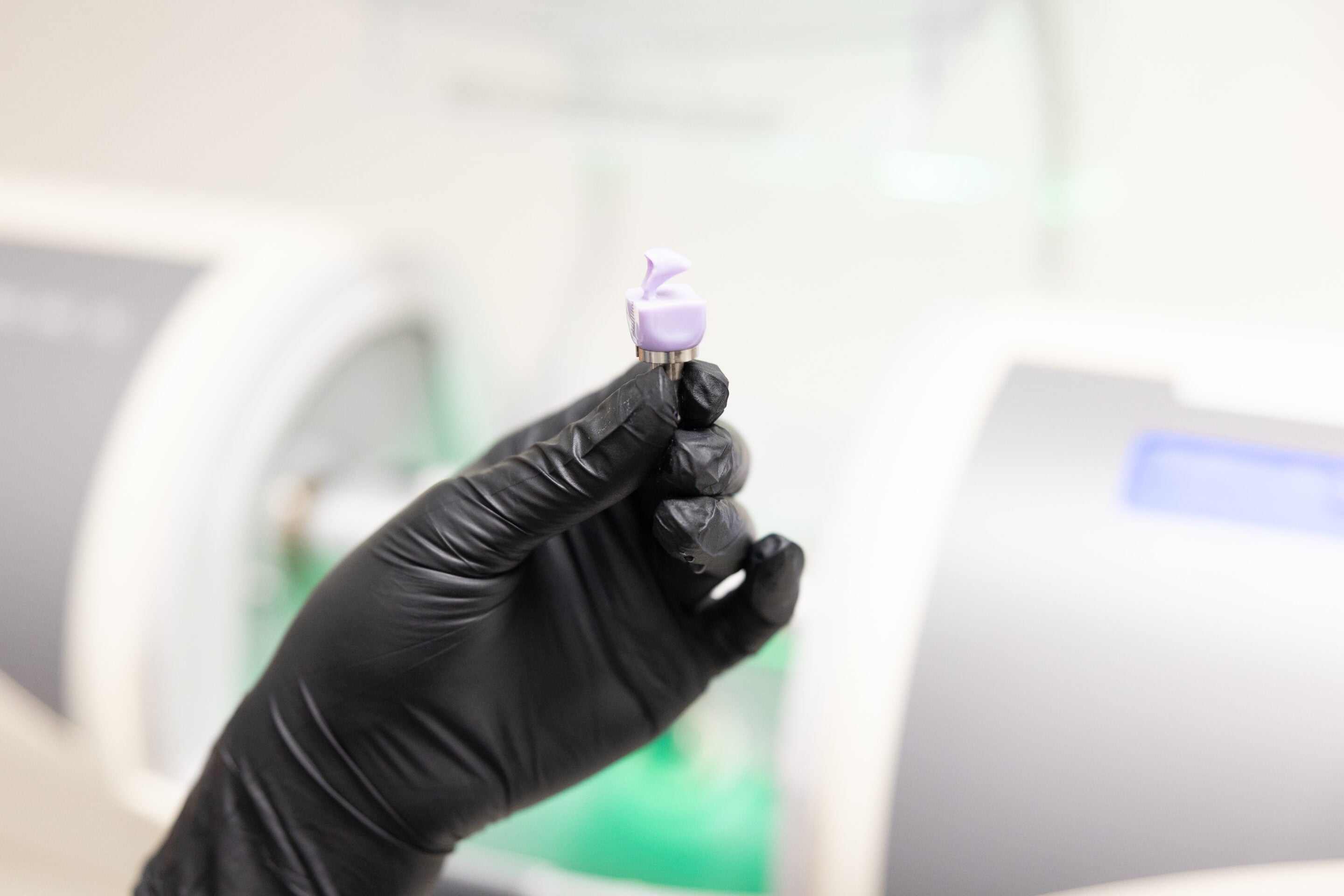
After completing root canal treatment, one of the most important decisions involves how to restore and protect the treated tooth for long-term function. Many patients who visit our East Melbourne practice are surprised to learn that root canal therapy is only the first step in preserving their tooth, with the restoration phase being equally crucial for success.
Restoring a root canal treated tooth requires careful consideration of several factors, including the amount of remaining tooth structure, the tooth’s position in your mouth, and your individual circumstances. However, it’s essential to understand that all restoration options carry risks and limitations, and individual outcomes can vary significantly between patients.
Why Root Canal Treated Teeth Need Special Restoration
Root canal treatment involves removing the tooth’s nerve and blood supply, fundamentally changing the tooth’s structure and properties. This process makes the remaining tooth structure more brittle and susceptible to fracture.
The access hole created during root canal treatment further weakens the tooth by removing additional structure. Studies indicate that root canal treated teeth are significantly more prone to fracture than vital teeth, particularly under normal chewing forces.
Without appropriate restoration, root canal treated teeth face increased risk of fracture, recontamination of the root canal system, and ultimate tooth loss. The type and timing of restoration significantly influence the long-term success of root canal treatment.
Factors affecting restoration choice include:
- Amount of remaining natural tooth structure
- Location of the tooth in your mouth
- Your bite forces and chewing habits
- Aesthetic requirements for visible teeth
- Individual healing response and oral health status
These factors must be carefully evaluated to determine the most appropriate restoration approach for your specific situation.
Crown Restoration Options and Considerations
Dental crowns represent the most common approach for restoring root canal treated teeth, particularly for posterior teeth that experience significant chewing forces. Crowns provide comprehensive protection by covering the entire visible portion of the tooth above the gum line.
Different crown materials offer varying advantages and limitations. Porcelain-fused-to-metal crowns provide strength and reasonable aesthetics, whilst all-ceramic crowns offer superior appearance but may be more prone to chipping. Gold crowns provide excellent durability but lack aesthetic appeal for visible teeth.
However, crown placement requires additional tooth structure removal to accommodate the restoration thickness. This irreversible preparation further weakens the tooth and carries risks including potential need for retreatment if complications arise.
Crown restoration considerations:
- Requires additional tooth structure removal
- Provides comprehensive protection against fracture
- Long-term success rates vary with individual factors
- Potential for crown failure requiring replacement
- Higher cost compared to simpler restoration options
- Multiple appointment process with temporary restoration period
Success rates for crowned root canal treated teeth are generally favourable, though individual outcomes depend on numerous factors including oral hygiene, bite forces, and underlying tooth condition.
Alternative Restoration Approaches
For teeth with sufficient remaining structure, particularly anterior teeth with lower chewing forces, alternative restoration options may be appropriate. These approaches can be more conservative whilst still providing adequate protection.
Large composite fillings can restore root canal treated teeth when adequate tooth structure remains. This approach preserves more natural tooth structure and costs less than crowns, though durability may be compromised compared to full coverage restorations.
Onlays or partial crowns offer a middle ground, providing more protection than fillings whilst being more conservative than full crowns. These restorations cover the chewing surface and weakened areas whilst preserving sound tooth structure.
Alternative restoration options:
- Composite resin fillings for minimal defects
- Inlays and onlays for moderate protection needs
- Partial crowns covering critical areas only
- Immediate vs delayed restoration timing
The choice between these options depends on individual circumstances, though it’s important to understand that more conservative approaches may carry higher risks of future complications.
Post and Core Systems When Needed
When root canal treated teeth have insufficient remaining structure to support a crown, post and core systems may be necessary. These systems involve placing a post into the root canal space to provide retention for a core buildup that supports the final crown.
Different post materials are available, including metal posts, fibre posts, and ceramic posts. Each material has specific advantages and limitations regarding strength, aesthetics, and compatibility with different restoration types.
However, post placement carries additional risks including potential root fracture during placement, increased complexity of future retreatment, and possible weakening of the root structure. Not all teeth are suitable for post placement due to anatomical limitations.
Post and core considerations:
- Required only when insufficient tooth structure remains
- Different post materials offer varying properties
- Additional risks including potential root fracture
- Increased treatment complexity and cost
- May complicate future retreatment if needed
Conservative approaches that preserve tooth structure should be considered before resorting to post and core systems whenever possible.
Risks and Long-term Considerations
All restoration options for root canal treated teeth carry inherent risks and limitations that must be understood before treatment decisions. Even successful restorations may require replacement over time due to normal wear, changes in oral health, or material fatigue.
Restoration failure can occur due to various factors including recurrent decay, fracture of the restoration or underlying tooth, loss of retention, or endodontic complications. Some failures may be repairable, whilst others may necessitate tooth extraction.
The investment in restoring root canal treated teeth should be considered carefully, as complications may result in additional costs and potential tooth loss despite initial treatment success.
Important long-term considerations:
- All restorations have limited lifespans requiring eventual replacement
- Risk of restoration failure necessitating retreatment
- Potential for tooth fracture despite appropriate restoration
- Ongoing maintenance requirements and costs
- Possible need for additional procedures over time
- Individual variation in treatment longevity
Regular professional monitoring is essential for early detection of potential complications and optimal long-term outcomes.
Making an Informed Treatment Decision
Selecting the appropriate method for restoring a root canal treated tooth requires comprehensive evaluation of your individual circumstances, realistic expectation setting, and full understanding of associated risks and limitations.
At DENTL, we provide thorough assessment of root canal treated teeth to determine the most appropriate restoration approach for each patient’s specific situation. Our evaluation includes examining remaining tooth structure, bite relationships, aesthetic requirements, and individual risk factors.
We believe in educating patients about all available options, including their benefits, limitations, and associated costs. This includes discussing the possibility that despite appropriate restoration, complications may still occur that could affect the long-term prognosis of the treated tooth.
Treatment decisions should align with your long-term oral health goals, financial considerations, and risk tolerance. The timing of restoration placement, choice of materials, and long-term maintenance requirements are all important factors that we discuss thoroughly during consultation.
Contact our experienced team on (03) 8820 1699 to discuss options for restoring your root canal treated tooth and determine the most appropriate approach for your individual circumstances, or complete our online enquiry form for more information.
Frequently Asked Questions
How long can I wait to restore a root canal treated tooth?
Timing varies based on individual circumstances, but prolonged delays increase risks of fracture or recontamination. Most teeth should be permanently restored within a few weeks to months after root canal completion, depending on healing progress and symptom resolution.
Will my restored root canal treated tooth function normally?
Most restored root canal treated teeth function well for many years, though individual outcomes vary. Success depends on factors including restoration type, oral hygiene, bite forces, and underlying tooth condition. Some limitations may exist compared to natural vital teeth.
What happens if my restoration fails?
Restoration failure may be repairable through replacement or modification, though some situations may require more extensive treatment or possible tooth extraction. Early detection through regular check-ups improves the likelihood of successful management of complications.

DISCLAIMER:
The content has been made available for informational and educational purposes only. DENTL does not make any representation or warranties with respect to the accuracy, applicability, fitness, or completeness of the content.
The content is not intended to be a substitute for professional personal diagnosis or treatment. Always seek the advice of your dentist or another qualified health provider with any questions you may have regarding a dental or medical condition. Never disregard professional advice or delay seeking it because of something you have read or seen on the Site.