Many of our East Melbourne patients initially dismiss bleeding gums as normal or simply a sign they need to brush more gently. However, healthy gums shouldn’t bleed regularly, even with thorough cleaning. Understanding the persistent bleeding gums causes can help you address the underlying issues and restore your oral health before more serious complications develop.
The Most Common Culprit: Gum Disease and Plaque Buildup
Gum disease progresses through distinct stages, starting with gingivitis – the mildest form where bleeding is often the first noticeable symptom. At this stage, the condition is completely reversible with proper treatment and improved oral hygiene. However, without intervention, gingivitis can advance to periodontitis, where infection spreads deeper into the tissues supporting your teeth.
Early signs of gum disease include:
- Bleeding during brushing or flossing
- Red, swollen, or tender gums
- Persistent bad breath
- Gums that appear to be pulling away from teeth
- Changes in how your teeth fit together when biting
The bacterial toxins produced by plaque irritate the gum tissues, causing them to become inflamed and more susceptible to bleeding. This inflammation is actually your body’s immune response trying to fight off the bacterial infection.
Hormonal Changes: When Your Body Chemistry Affects Your Gums
During pregnancy, elevated progesterone levels can cause gums to react more dramatically to plaque bacteria, leading to pregnancy gingivitis. This affects up to 70% of pregnant women and typically develops during the second trimester. Similarly, menopause-related hormonal changes can reduce saliva production and alter the mouth’s bacterial balance.
Hormonal factors that can contribute to bleeding gums:
- Pregnancy and associated hormonal changes
- Menstrual cycle fluctuations
- Menopause and reduced oestrogen levels
- Certain hormonal medications or contraceptives
Medications and Medical Conditions That Increase Bleeding Risk
Some blood pressure medications, particularly calcium channel blockers, can cause gum overgrowth that becomes more prone to bleeding. Antidepressants and antihistamines may reduce saliva flow, creating an environment where harmful bacteria can thrive.
Certain medical conditions also increase your risk. Diabetes affects your body’s ability to fight infections and heal properly, making gum disease more likely to develop and progress. According to Australian health research, people with diabetes are twice as likely to develop gum disease.
Medical factors that may cause persistent bleeding gums:
- Blood-thinning medications and anticoagulants
- Blood pressure medications causing gum overgrowth
- Diabetes and blood sugar irregularities
- Autoimmune disorders affecting tissue health
- Vitamin C or K deficiencies
Oral Hygiene Habits: When Good Intentions Go Wrong
On the flip side, inadequate oral hygiene allows plaque and bacteria to accumulate, leading to gum inflammation and bleeding. The key is finding the right balance – thorough but gentle cleaning that removes plaque without traumatising delicate gum tissues.
Poor flossing technique, such as snapping the floss down forcefully onto the gums or using a sawing motion, can cause persistent irritation and bleeding. Similarly, rushing through your brushing routine without giving adequate attention to the gum line allows plaque to accumulate in critical areas.
Lifestyle Factors That Compromise Gum Health
Stress affects your body’s ability to fight off infections, including the bacterial infections that cause gum disease. High stress levels can also lead to teeth grinding and neglect of oral hygiene routines.
Dietary factors play a crucial role as well. A diet high in sugary and processed foods provides fuel for harmful bacteria, while inadequate nutrition can weaken your immune system’s ability to maintain healthy gum tissues.
Lifestyle factors affecting gum health:
- Smoking and tobacco use reducing healing capacity
- Chronic stress compromising immune function
- Poor nutrition lacking essential vitamins and minerals
- Excessive alcohol consumption
- Inadequate sleep impacting immune system function
Professional Treatment and Prevention Strategies
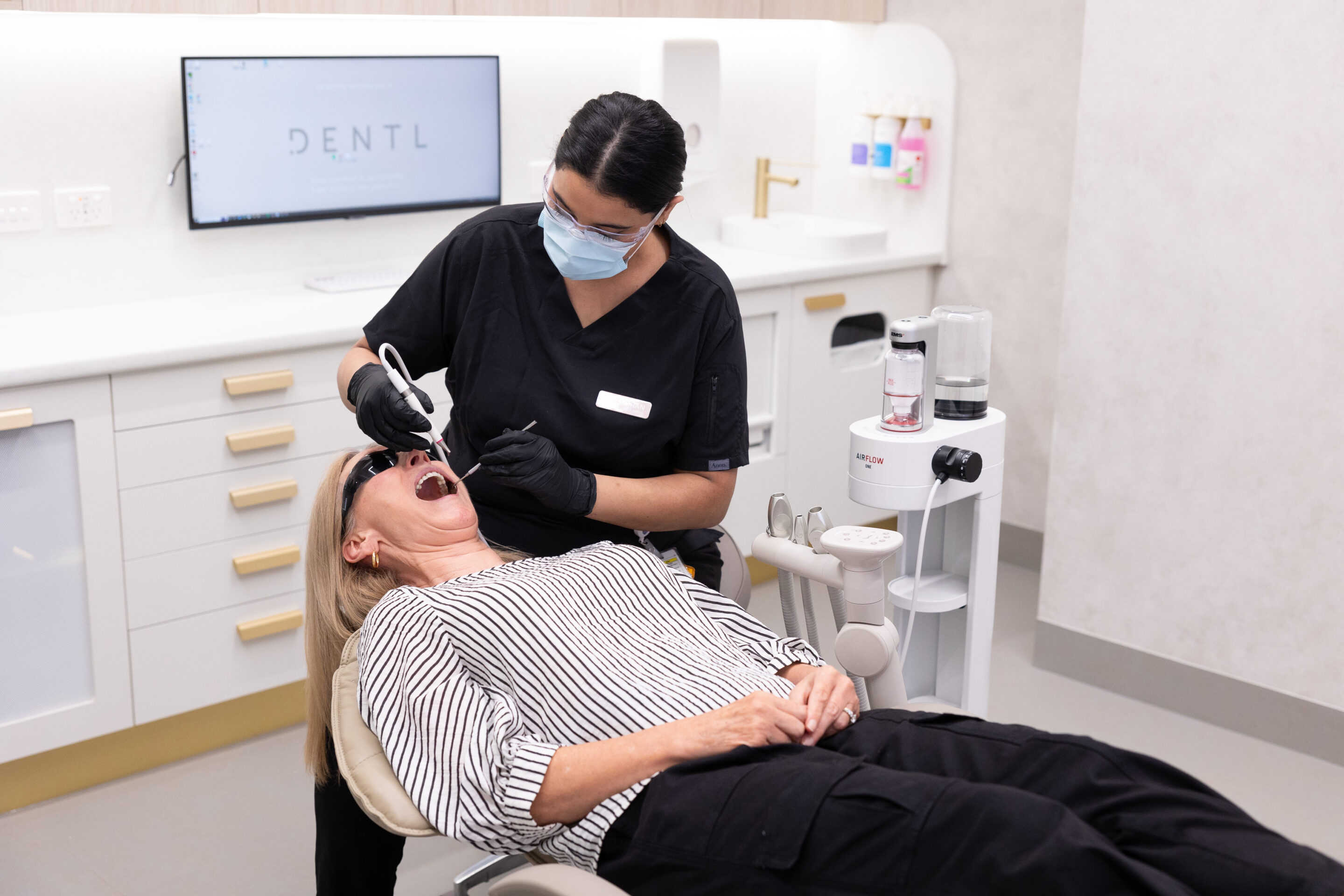
Professional cleaning is usually the first line of treatment, involving the removal of plaque and tartar buildup both above and below the gum line. For more advanced cases, deeper cleaning procedures called scaling and root planing may be necessary.
Professional treatment approaches may include:
- Comprehensive periodontal assessment and X-rays
- Professional cleaning and plaque removal
- Deep cleaning procedures for advanced gum disease
- Antibiotic therapy for bacterial infections
- Customised oral hygiene instruction
- Ongoing maintenance cleaning schedules
The goal is not just to stop the bleeding, but to address the underlying causes and establish a maintenance routine that keeps your gums healthy long-term.
Taking Control of Your Gum Health
Understanding the various persistent bleeding gums causes empowers you to make informed decisions about your oral health and seek appropriate treatment. Early intervention is always more comfortable, less expensive, and more successful than waiting until problems become severe.
At DENTL, we specialise in comprehensive gum health assessment and treatment, helping our East Melbourne patients identify and address the root causes of their bleeding gums. Our experienced team can develop personalised treatment plans that address your specific situation.
Don’t let persistent bleeding gums compromise your oral health. Contact our friendly team on (03) 8820 1699 to schedule your comprehensive gum health assessment, or complete our online enquiry form to learn more about our periodontal treatment options.
Frequently Asked Questions
With proper professional treatment and improved home care, most patients notice reduced bleeding within 1-2 weeks. Complete healing of gum inflammation typically occurs within 4-6 weeks, though this varies depending on the severity of the condition.
Can bleeding gums cause bad breath even if I brush regularly?
Yes, the bacteria that cause gum inflammation and bleeding also produce compounds that create persistent bad breath. Even with regular brushing, if you’re not effectively removing plaque from below the gum line, these bacteria can continue causing both bleeding and halitosis.
Should I stop flossing if my gums bleed when I floss?
No, you should continue flossing, but perhaps more gently and with proper technique. Bleeding during flossing is often a sign that your gums are inflamed due to plaque buildup, and stopping flossing will only make the problem worse.

DISCLAIMER:
The content has been made available for informational and educational purposes only. DENTL does not make any representation or warranties with respect to the accuracy, applicability, fitness, or completeness of the content.
The content is not intended to be a substitute for professional personal diagnosis or treatment. Always seek the advice of your dentist or another qualified health provider with any questions you may have regarding a dental or medical condition. Never disregard professional advice or delay seeking it because of something you have read or seen on the Site.