The good news? With the right immediate care and prompt professional treatment, many knocked out permanent teeth can be successfully reimplanted. The key is knowing exactly what to do and acting quickly. Let’s walk through the critical steps that could save your smile.
The First 30 Minutes: Why Time is Everything
The urgency comes down to the health of the periodontal ligament – the thin layer of tissue that connects your tooth root to the jawbone. This delicate structure begins to deteriorate rapidly once the tooth is separated from its blood supply. The sooner the tooth is repositioned, the better chance these vital tissues have of healing and reattaching.
Critical time frames for knocked out tooth emergency treatment:
- 0-30 minutes: Highest success rate for reimplantation
- 30 minutes-2 hours: Still viable with decreased success rate
- After 2 hours: Significantly reduced chances, but emergency treatment still necessary
Understanding these timeframes helps explain why immediate action is so important when dealing with this type of dental trauma.
Step-by-Step: What to Do Immediately After the Injury
Step 1: Stay Calm and Assess the Situation
Take a deep breath and quickly assess whether there are any other serious injuries requiring immediate medical attention. If there’s significant bleeding, loss of consciousness, or suspected head trauma, call emergency services first.
Step 2: Find and Handle the Tooth Properly
Locate the knocked out tooth and pick it up by the crown (the white, chewing surface) only. Never touch or scrub the root portion, as this can damage the delicate periodontal ligament fibres essential for successful reimplantation.
Step 3: Rinse Gently if Necessary
If the tooth is dirty, rinse it very gently with clean water or milk for no more than 10 seconds. Avoid using soap, chemicals, or scrubbing motions that could further damage the root surface.
Step 4: Attempt Reimplantation (If Possible)
If you’re comfortable doing so, try to gently place the tooth back into its socket. Hold it in place by biting down on a clean cloth or tissue. This is often the best storage method if you can manage it safely.
Step 5: Store the Tooth Properly (If Reimplantation Isn’t Possible)
If you can’t reinsert the tooth, storage becomes critical. The best options, in order of preference, are:
- Inside your mouth, between your cheek and gums
- In a container of cold milk
- In a tooth preservation solution (available at some pharmacies)
- In clean water with a pinch of salt as a last resort
When to Seek Emergency Dental Care Immediately
Seek immediate emergency treatment if you have:
- Heavy bleeding that won’t stop with pressure
- Signs of jaw fracture or significant facial trauma
- Difficulty opening or closing your mouth
- Multiple teeth affected by the injury
- Severe pain that isn’t manageable with over-the-counter pain relief
- Signs of infection developing (swelling, fever, or foul taste)
Even if none of these complications are present, remember that a knocked out tooth emergency always requires professional evaluation and treatment within hours of the incident. Delaying treatment significantly reduces the chances of saving your natural tooth.
Professional Treatment: What Happens at the Emergency Appointment
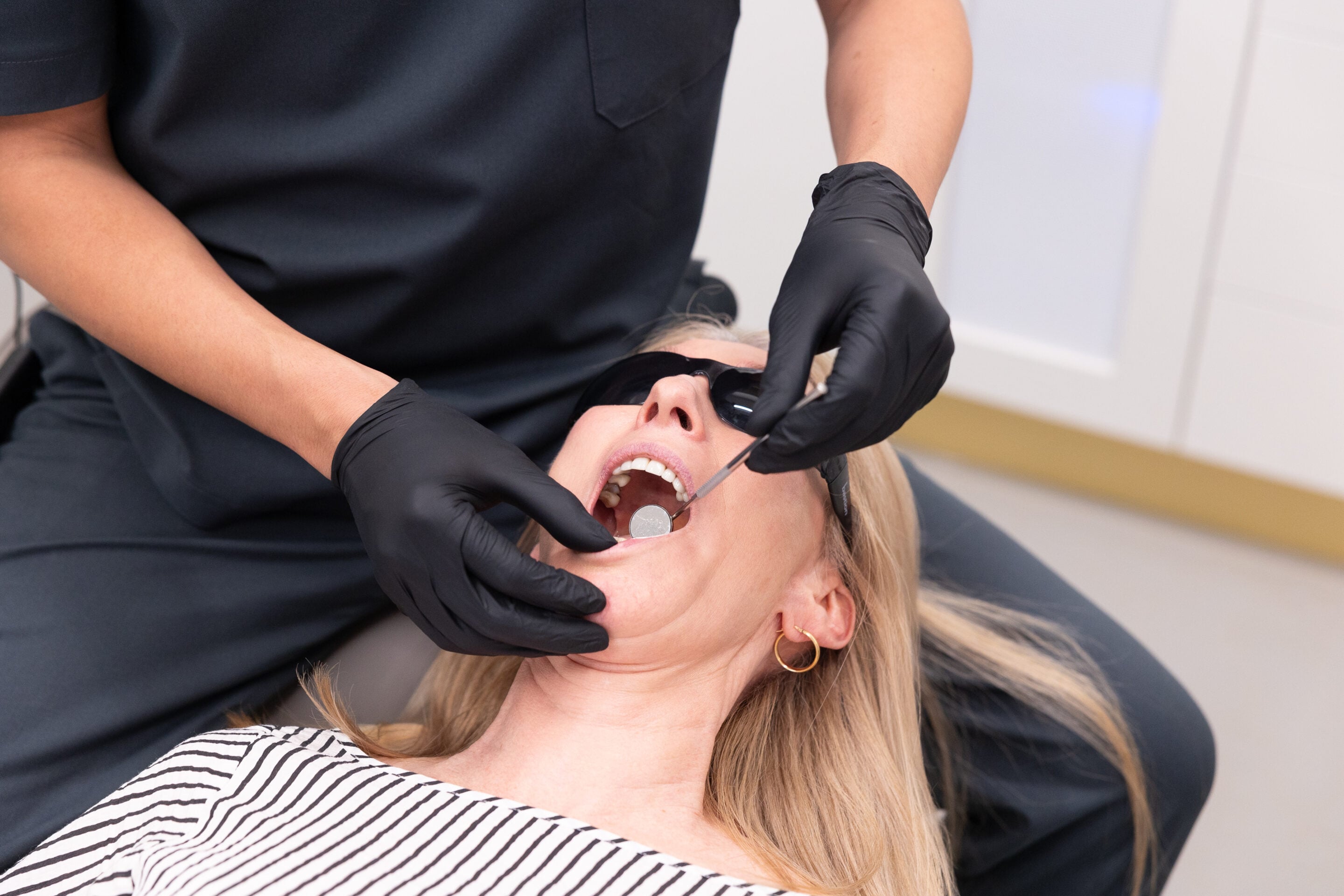
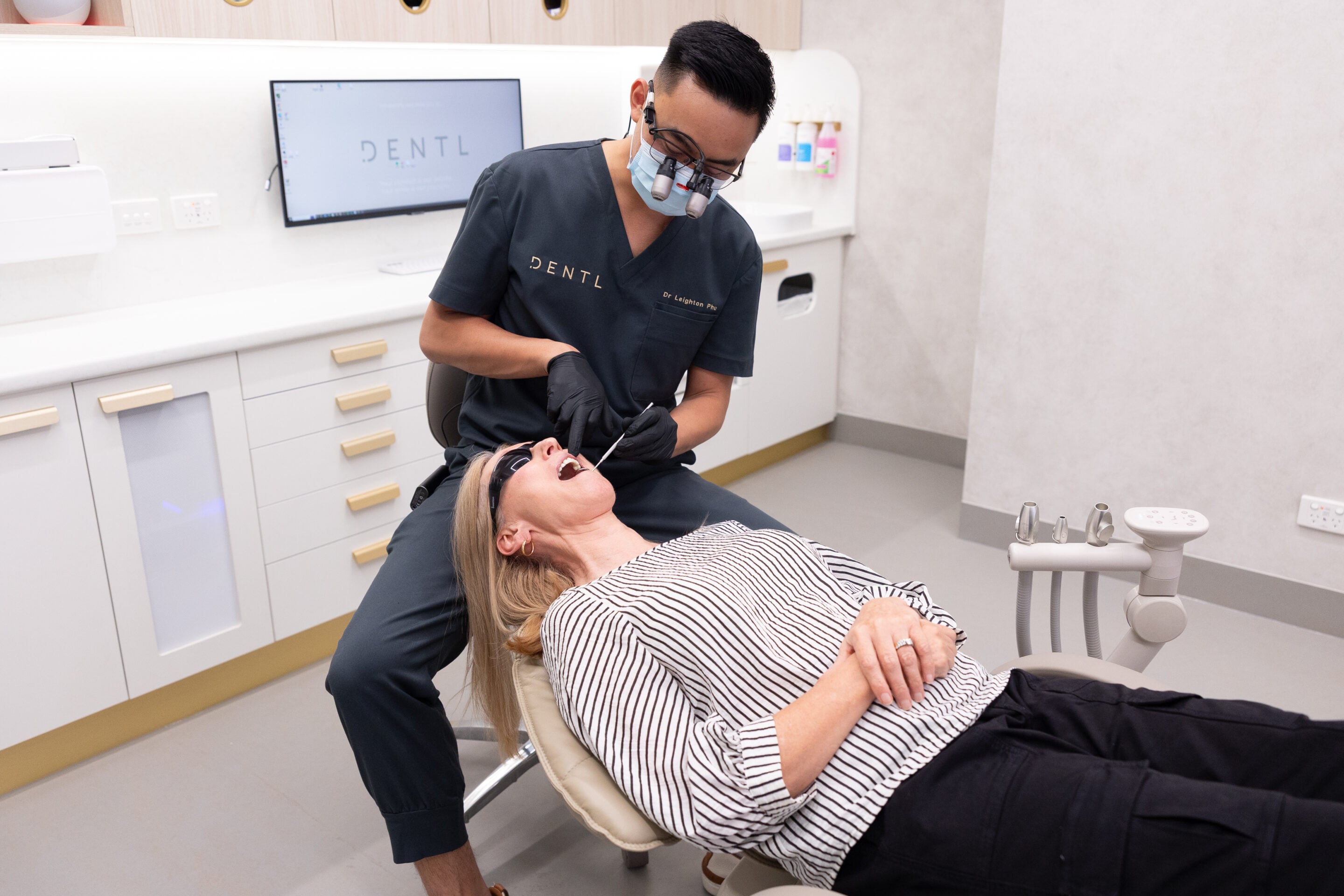
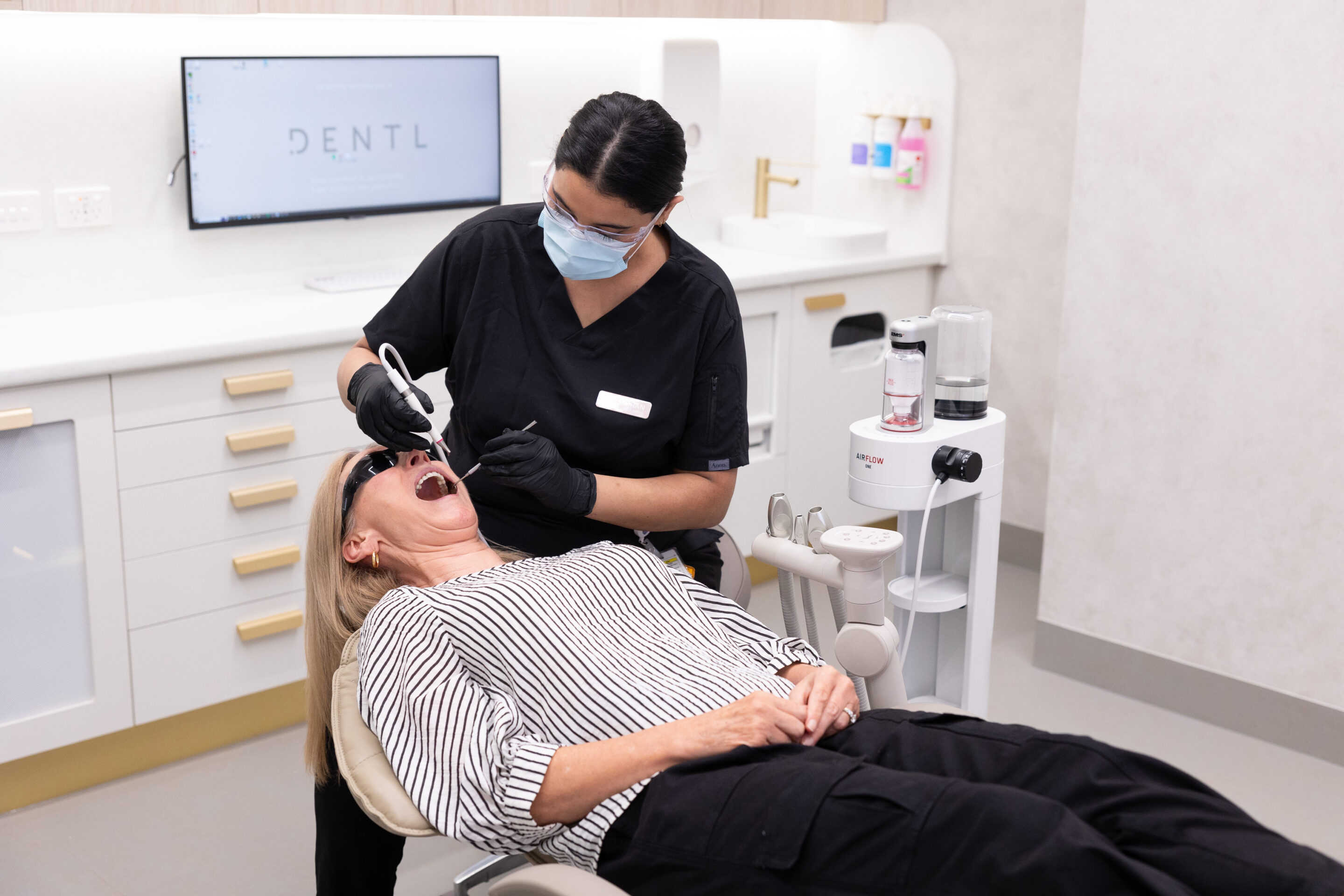
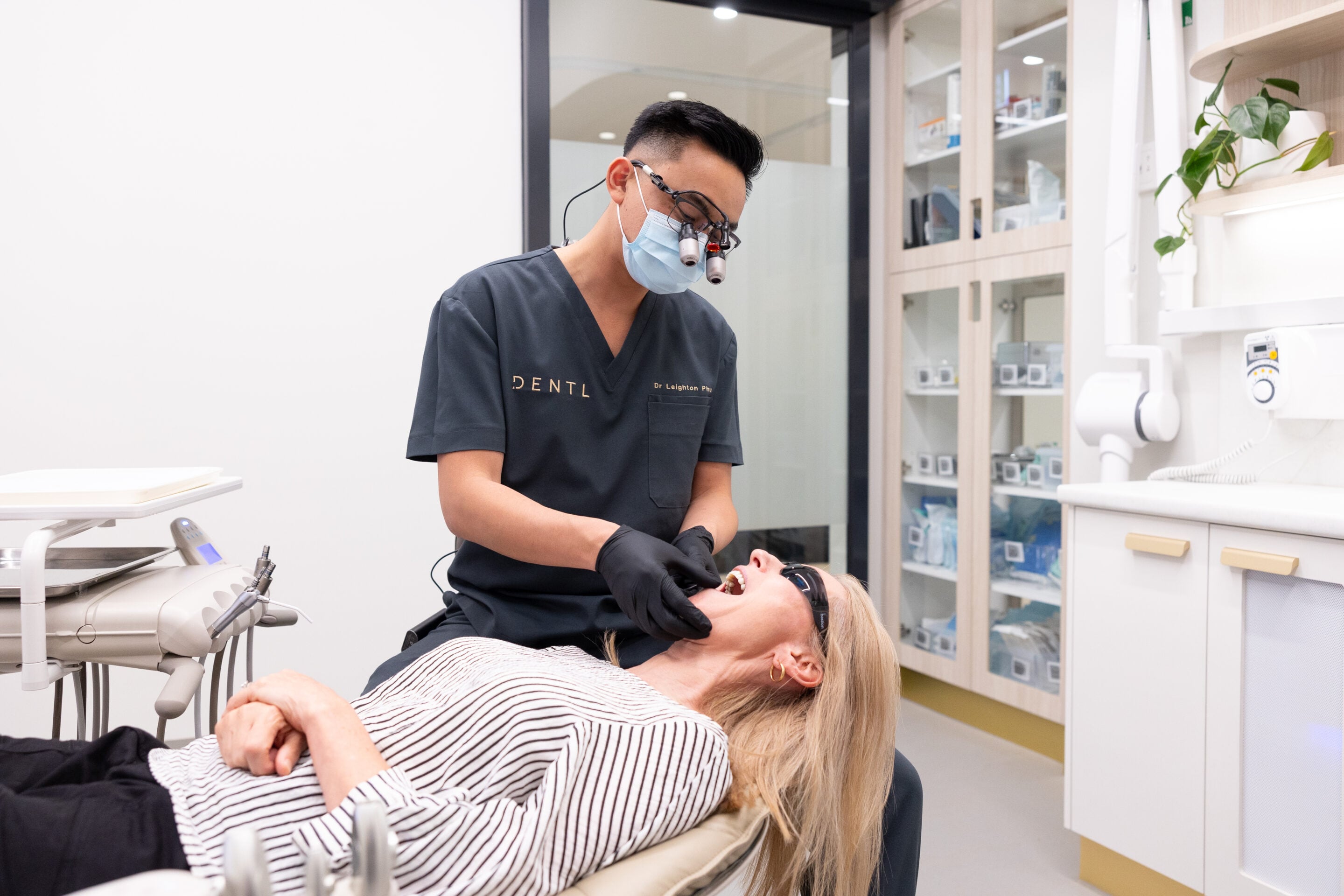
First, we’ll conduct a thorough examination to assess the condition of both the knocked out tooth and the surrounding tissues. X-rays help us identify any additional damage to the jawbone or neighbouring teeth that might not be immediately visible.
If the tooth is viable for reimplantation, we’ll carefully clean the socket and gently reposition the tooth. The tooth is then stabilised using a flexible splint that connects it to the adjacent teeth, allowing the periodontal ligament to heal while preventing excessive movement.
The emergency treatment process typically includes:
- Comprehensive examination and X-rays
- Socket preparation and tooth reimplantation
- Splint placement for stabilisation
- Pain management and antibiotic prescription if needed
- Detailed aftercare instructions
- Follow-up appointment scheduling
In cases where the tooth cannot be saved, we’ll discuss immediate replacement options including dental implants or temporary prosthetics to maintain your smile’s appearance and function while planning long-term solutions.
Recovery and Follow-Up Care After Tooth Reimplantation
During the first few days following treatment, you’ll need to stick to soft foods and avoid biting down directly on the reimplanted tooth. The splint will remain in place for several weeks, during which time the periodontal ligament hopefully reattaches and healing progresses.
Essential aftercare steps include:
- Taking prescribed medications as directed
- Maintaining excellent oral hygiene while avoiding the treatment area
- Attending all scheduled follow-up appointments
- Avoiding hard, crunchy, or sticky foods
- Using any prescribed mouth rinses as directed
- Reporting any unusual pain, swelling, or changes immediately
Follow-up appointments are particularly important because we need to monitor the healing process and watch for potential complications such as root resorption or infection. These appointments also allow us to remove the splint once healing is sufficient and assess whether additional treatments might be needed.
Prevention and Long-Term Considerations
According to Australian sports medicine research, custom-fitted mouthguards reduce the risk of dental injuries by up to 60% compared to no protection at all. Even for recreational activities like cycling or skateboarding, protective gear can make a significant difference.
For those who’ve experienced successful tooth reimplantation, long-term monitoring becomes part of your regular dental care routine. Some reimplanted teeth may require root canal treatment months or years later, and regular check-ups help us identify and address any developing issues early.
Your Emergency Action Plan
At DENTL, we understand that dental emergencies don’t follow business hours. Our experienced team is equipped to handle knocked out tooth emergencies promptly and professionally, giving you the best possible chance of preserving your natural smile.
Time is critical when dealing with dental trauma, so don’t wait to see if the situation improves on its own. Contact our emergency line on (03) 8820 1699 immediately if you experience a knocked out tooth emergency, or complete our online enquiry form if you’d like to discuss preventive measures or emergency preparedness with our team.
Frequently Asked Question
No, knocked out baby teeth are typically not reimplanted as this can damage the developing permanent tooth underneath. However, you should still seek immediate dental care to ensure no fragments remain and to address any other injuries that may have occurred during the incident.
What if I can’t find the knocked out tooth after the accident?
Sometimes teeth can become lodged in soft tissues or may have been swallowed during the trauma. Seek immediate dental and medical attention, as X-rays may be needed to locate the tooth and ensure it hasn’t caused any internal injuries or complications.
How much does emergency treatment for a knocked out tooth cost?
Emergency treatment costs vary depending on the complexity of the case and additional procedures required. We’ll provide a clear treatment estimate during your emergency appointment and can discuss payment options. Many health insurance policies cover emergency dental treatment, so it’s worth checking your coverage details.

DISCLAIMER:
The content has been made available for informational and educational purposes only. DENTL does not make any representation or warranties with respect to the accuracy, applicability, fitness, or completeness of the content.
The content is not intended to be a substitute for professional personal diagnosis or treatment. Always seek the advice of your dentist or another qualified health provider with any questions you may have regarding a dental or medical condition. Never disregard professional advice or delay seeking it because of something you have read or seen on the Site.