Ready to Ditch Your Dentures? Here's What You Need to Know About All-Teeth-On-Four
Look, if you’ve been dealing with dentures for a while now, you’ve probably got the routine down pat. The adhesive every morning, the careful chewing, maybe the odd moment where they decide to do their own thing mid-sentence. It’s just part of life, right?
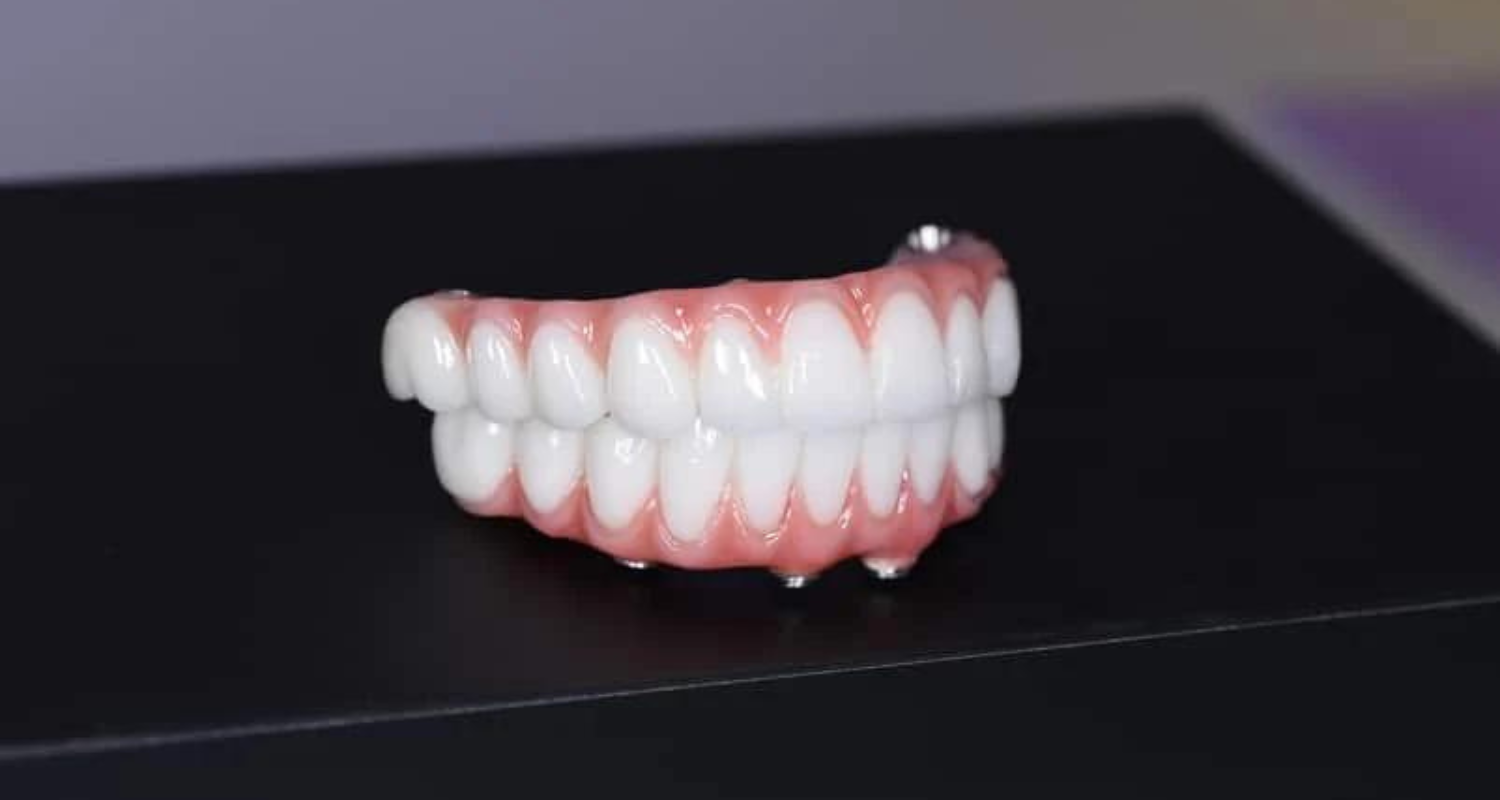
Except it doesn’t have to be. All-Teeth-On-Four dental implants are a fixed alternative that replaces an entire arch of teeth with just four strategically placed implants. No more removable bits, no more adhesive tubes cluttering your bathroom cabinet. Just teeth that stay put.
But can you actually make the switch? And should you? Let’s have a proper look at what’s involved.
So What's Actually Different About All-Teeth-On-Four?
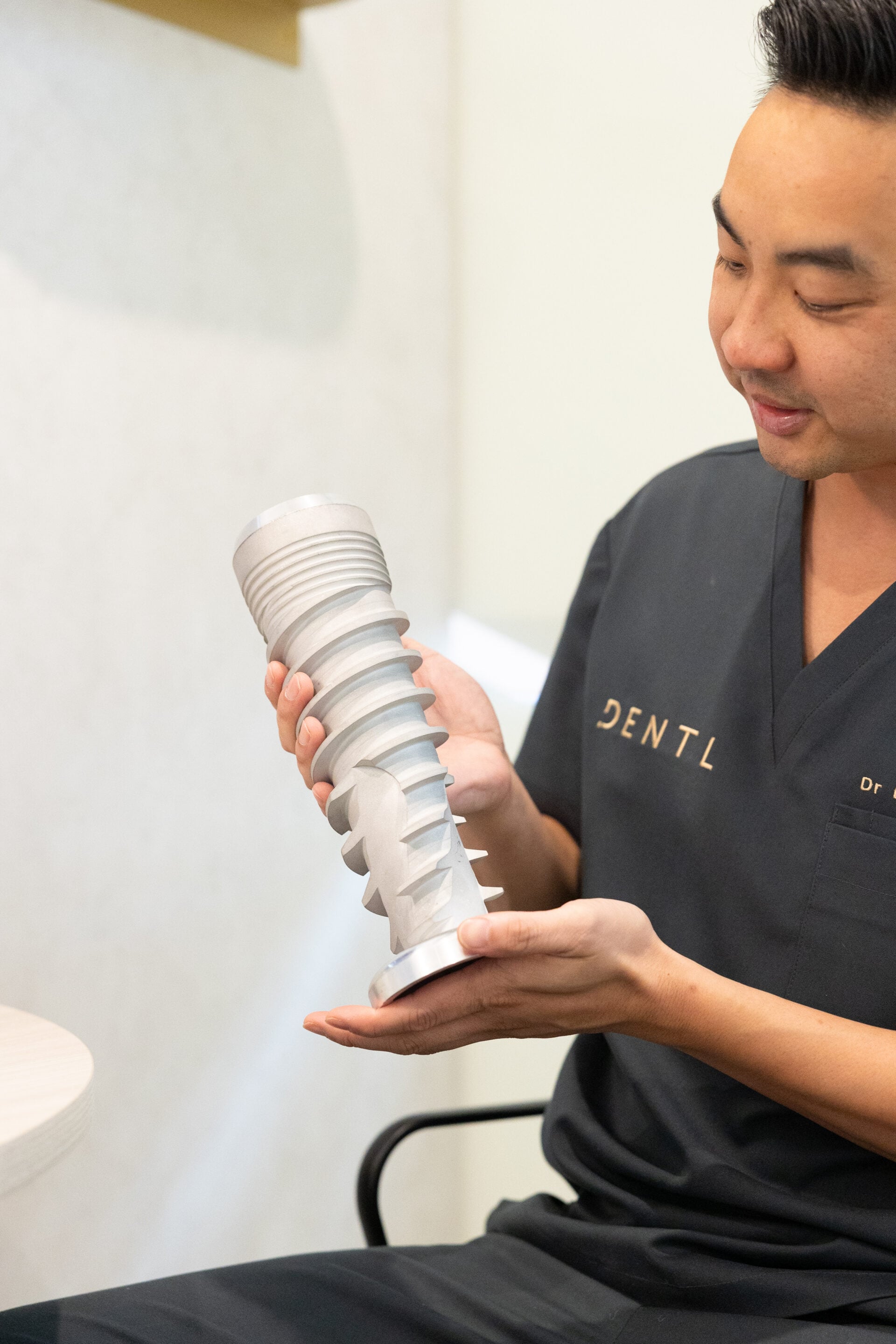
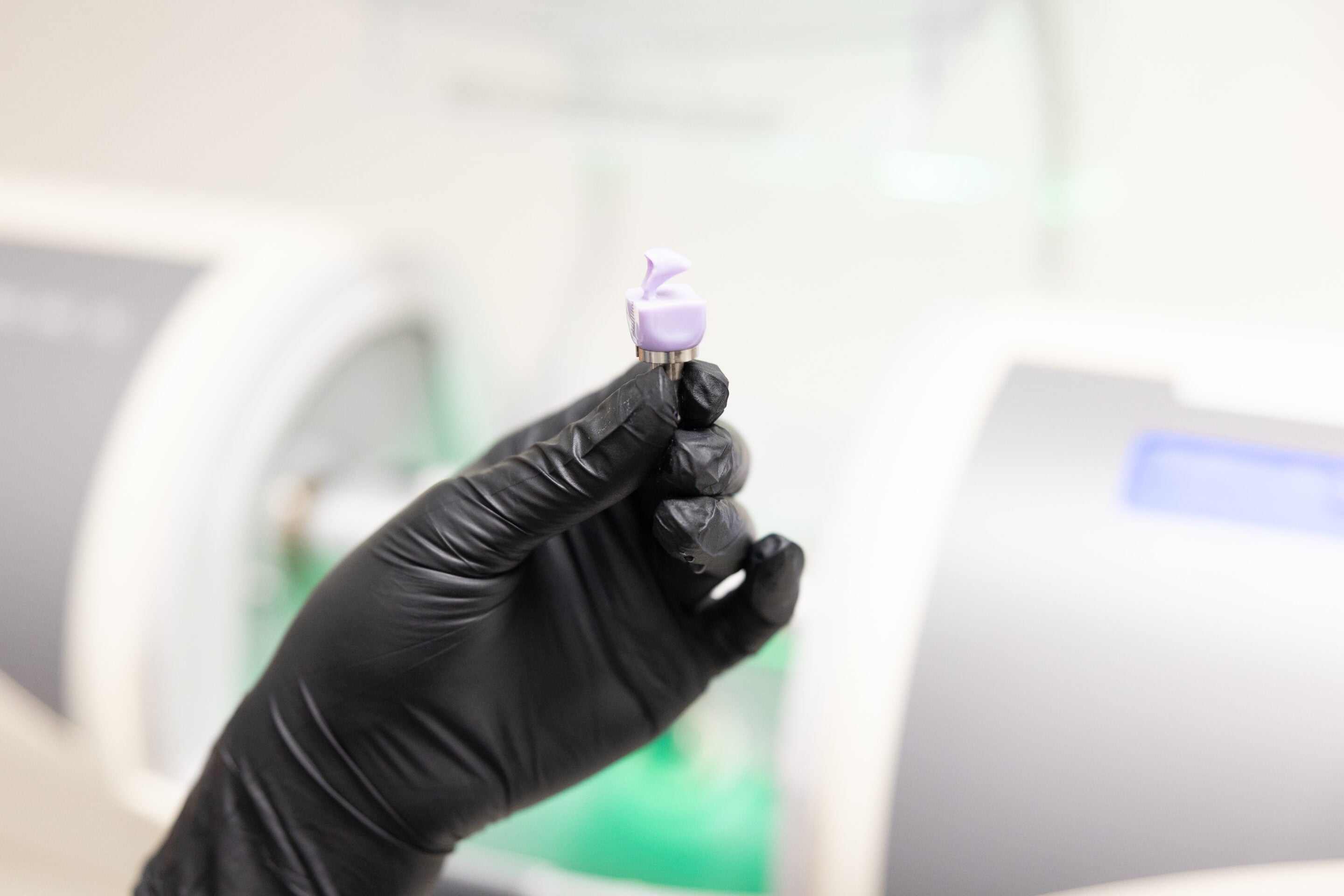
All-Teeth-On-Four implants are completely different. They’re fixed prosthetics that are anchored straight into your jawbone using four titanium implants per arch. The teeth are screwed onto these implants, creating something that works a lot more like the real thing.
Here’s what that means day-to-day:
- They don’t budge: No slipping, no shifting, no sudden movements
- You clean them like normal teeth: Regular brushing and flossing, that’s it
- Your jaw stays healthier: The implants actually stimulate your bone, preventing that shrinkage you get with dentures
- They last ages: With decent care, we’re talking decades here
According to the Australian Dental Association, dental implants have success rates over 95% when done by experienced practitioners. That makes them one of the most solid denture replacement options going.
Can Anyone Make the Switch?
Right, here’s the thing. Not everyone who wears dentures can just waltz in and get All-Teeth-On-Four. There are a few factors that determine whether it’ll work for you.
The Bone Situation
Years of wearing dentures can do a number on your jawbone. Without teeth stimulating it, the bone gradually disappears. It’s called resorption, and it’s why your dentures might fit differently after a few years.
All-Teeth-On-Four needs enough bone to hold those implants steady. But here’s the clever bit: the technique is designed to work with what you’ve got. The implants go in at specific angles to grab onto the denser bone, which often means you can skip bone grafting entirely.
Your Overall Health
Some health stuff can affect whether implant surgery is a good idea. Things like:
- Diabetes that’s not under control
- Active gum disease
- Smoking (though if you quit before treatment, your chances go way up)
- Certain medications that mess with bone healing, like bisphosphonates
Your dentist will go through all this with you to figure out if anything needs sorting before you can crack on.
What You're Expecting
This isn’t a quick fix. There’s surgery involved, and healing time. You need to go in understanding what you’re signing up for and being realistic about the timeline. If you’re after instant results with zero commitment, this probably isn’t it.
What Actually Happens When You Switch?
Making the jump from dentures to All-Teeth-On-Four is a proper process. It’s not complicated, but it does take time and planning.
Getting Started
First up, you’ll have a thorough check-up. This usually includes:
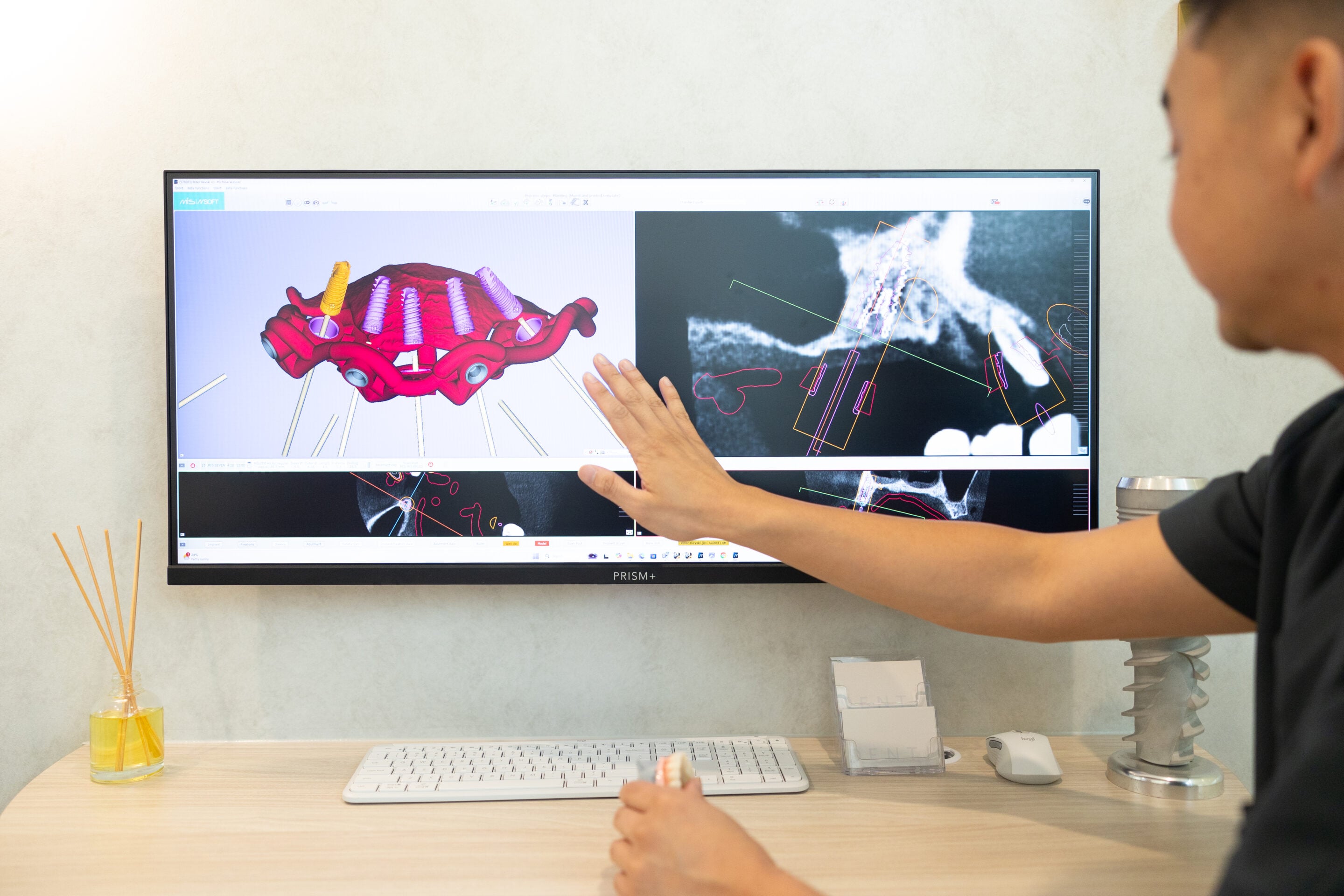
- 3D scans to see what’s going on with your bone
- A chat about your medical history
- Looking at your current dentures and mouth health
- Planning out exactly what needs to happen
This bit is crucial. It’s where we figure out the best approach for your specific situation and make sure you know what’s coming.
Surgery Day
On the day itself, any remaining teeth in the arch come out if needed, and the four implants go into your jawbone. The good news? In most cases, you can get a temporary set of teeth attached the same day. You walk out with a full set of functional teeth.
The whole thing is done under local anaesthetic or sedation, depending on what you prefer and how complex your case is.
The Healing Bit
Over the next few months, those implants fuse with your bone. It’s called osseointegration, and it’s what makes the whole thing so stable and permanent.
You’ll wear temporary teeth during this time. They work pretty well, though you’ll need to stick to softer foods at first while everything settles.
Your Final Teeth
Once you’re fully healed, the temporary set gets swapped for your permanent custom-made teeth. These are designed to look natural and work properly with your bite. They’re built to last.
Why People Actually Make the Switch
Patients who go from traditional dentures to All-Teeth-On-Four usually notice some pretty significant changes.
How Everything Works Better
- Chewing power: All-Teeth-On-Four gives you about 70% of your natural bite force back. Traditional dentures? Around 25%
- Speaking clearly: No more slipping or clicking when you’re trying to talk
- Eating what you want: Seriously, no restrictions. Corn on the cob, apples, steak, whatever
Daily Life Gets Easier
- No more goop: That’s the adhesive gone for good
- Simple maintenance: Just brush and floss like normal teeth
- They last: With proper care, you’re looking at 20 years or more
Your Jaw Stays Put
This is a big one. Traditional dentures don’t do anything about bone loss. That’s why they need relining or replacing as your jaw changes shape.
Implants work like natural tooth roots. They stimulate the bone, which means it stays healthy and doesn’t shrink away. Your face keeps its structure instead of that sunken look some long-term denture wearers get.
The First Few Weeks
Getting used to All-Teeth-On-Four takes a bit of time, but most people adjust pretty quickly. Here’s what the start looks like:
- Some swelling and soreness: Totally normal after surgery, and manageable with the medications you’re prescribed
- Soft foods for a while: You’ll need to ease into firmer textures as things heal
- Regular check-ups: We’ll keep an eye on how the implants are healing and make sure your temporary teeth are comfortable
Once you’re fully healed, looking after your All-Teeth-On-Four is straightforward. Brush, floss, and come in for regular professional cleans. That’s about it.
Is Making the Switch Worth It?
Transitioning from traditional dentures to All-Teeth-On-Four is absolutely possible, and for a lot of patients, it’s a game-changer. You get fixed, stable teeth that work like the real thing, you ditch all the faff that comes with removable dentures, and your jawbone stays healthy.
That said, it’s not for everyone. Whether it’ll work for you depends on your bone density, your overall health, and whether you’re up for the process. The best way to find out? Have a proper chat with an experienced implant dentist who can assess your situation properly.
If you’re done with loose, uncomfortable dentures and want to explore denture replacement options properly, the team at DENTL in East Melbourne can help. We’ll work out if you’re suitable, answer all your questions, and walk you through every step.
Ready to see if All-Teeth-On-Four is right for you? Call DENTL on (03) 8820 1699 or complete our online enquiry form to book your consultation.
Frequently Asked Questions
Usually three to six months from your first consultation to getting your final teeth. But you’ll leave surgery with temporary teeth, so you’re never without anything in your mouth.
Does it hurt?
Most people say it’s really not too bad. You’re numbed up or sedated during the surgery, so you don’t feel anything then. Afterwards, any soreness can be sorted with regular painkillers or what your dentist prescribes.
What if I’ve lost a lot of bone already?
All-Teeth-On-Four is actually designed for people with reduced bone density. The angled placement of the implants makes the most of whatever bone you’ve got, which usually means no bone grafting needed. Your dentist will assess whether you’ve got enough to work with.

DISCLAIMER:
The content has been made available for informational and educational purposes only. DENTL does not make any representation or warranties with respect to the accuracy, applicability, fitness, or completeness of the content.
The content is not intended to be a substitute for professional personal diagnosis or treatment. Always seek the advice of your dentist or another qualified health provider with any questions you may have regarding a dental or medical condition. Never disregard professional advice or delay seeking it because of something you have read or seen on the Site.