Crown or Filling? Here's How to Know Which One You Actually Need
So your dentist has mentioned you need some work done on a tooth, and now you’re wondering whether a filling will do the job or if you need the full crown treatment. It’s a fair question, and the answer isn’t always straightforward.
The thing is, both fillings and crowns have their place. Fillings are great for small to moderate cavities, but when decay gets more extensive or a tooth is already compromised, a crown might be the smarter choice. Let’s look at when each option makes sense and what actually goes into making that call.
What's the Actual Difference?
A crown, on the other hand, is more of a protective cap that covers the entire visible portion of your tooth. Think of it as reinforcement that holds everything together. Crowns require more prep work since some of the tooth structure needs to be shaped to fit the crown, but they provide significantly more support for teeth that have been weakened.
Quick comparison:
- Fillings: Restore part of the tooth, less invasive, quicker process
- Crowns: Cover the entire tooth, more structural support, takes longer but lasts longer
Both can last years with proper care, but crowns generally have a longer lifespan when you’re dealing with significant damage.
When a Filling Makes Sense
Fillings are the go-to for straightforward cavities. If the decay is caught early and hasn’t spread too far, a filling usually does the trick. You’re in and out fairly quickly, and the tooth keeps most of its natural structure.
They work best when:
- The cavity is small to moderate
- There’s plenty of healthy tooth structure surrounding the decay
- The tooth hasn’t had multiple fillings already
- You’re not dealing with cracks or fractures
According to the Australian Dental Association, composite resin fillings can last 5 to 15 years depending on their size and location. That’s pretty solid for minor to moderate damage.
When a Crown Becomes the Better Option
Here’s where things get more nuanced. The dental crown vs large filling debate really comes down to how much tooth structure you’ve got left and what kind of stress the tooth needs to handle.
You’ve Lost a Lot of Tooth Structure
If a cavity has taken out a significant chunk of your tooth, a filling might not provide enough support. Large fillings can work in the short term, but they’re more prone to cracking or breaking under pressure. A crown distributes the biting force more evenly across the entire tooth, which means it’s less likely to fail.
As a general rule, if more than half of your tooth structure is gone or compromised, a crown is usually the safer bet.
The Tooth Has Had Root Canal Treatment
After root canal treatment, teeth become more brittle because they no longer have a blood supply. They’re more vulnerable to fractures, especially back teeth that do most of the chewing work. A crown protects the tooth from breaking and extends its lifespan significantly.
Most dentists recommend crowns for any tooth that’s had root canal treatment, particularly molars and premolars.
You’re Dealing with Cracks or Fractures
Teeth can crack for all sorts of reasons. Grinding, trauma, biting something hard, or just wear over time. When a tooth is cracked, a filling won’t hold it together. A crown acts like a splint, keeping everything stable and preventing the crack from spreading.
If left untreated, cracks can worsen to the point where the tooth can’t be saved. A crown stops that progression.
Multiple Fillings Are Already There
If a tooth has been filled multiple times, there might not be much natural tooth structure left. Each time a filling is replaced or added, more of the original tooth is removed. Eventually, there’s not enough solid foundation to support another filling.
At that point, a crown provides the structural integrity the tooth needs to keep functioning properly.
Heavy Chewing Forces
Back teeth, especially molars, take on a lot of force when you chew. If you’re someone who grinds their teeth or just has a particularly strong bite, large fillings on these teeth are more likely to crack or wear down quickly. Crowns are built to handle that pressure better.
What Actually Happens When You Get a Crown?
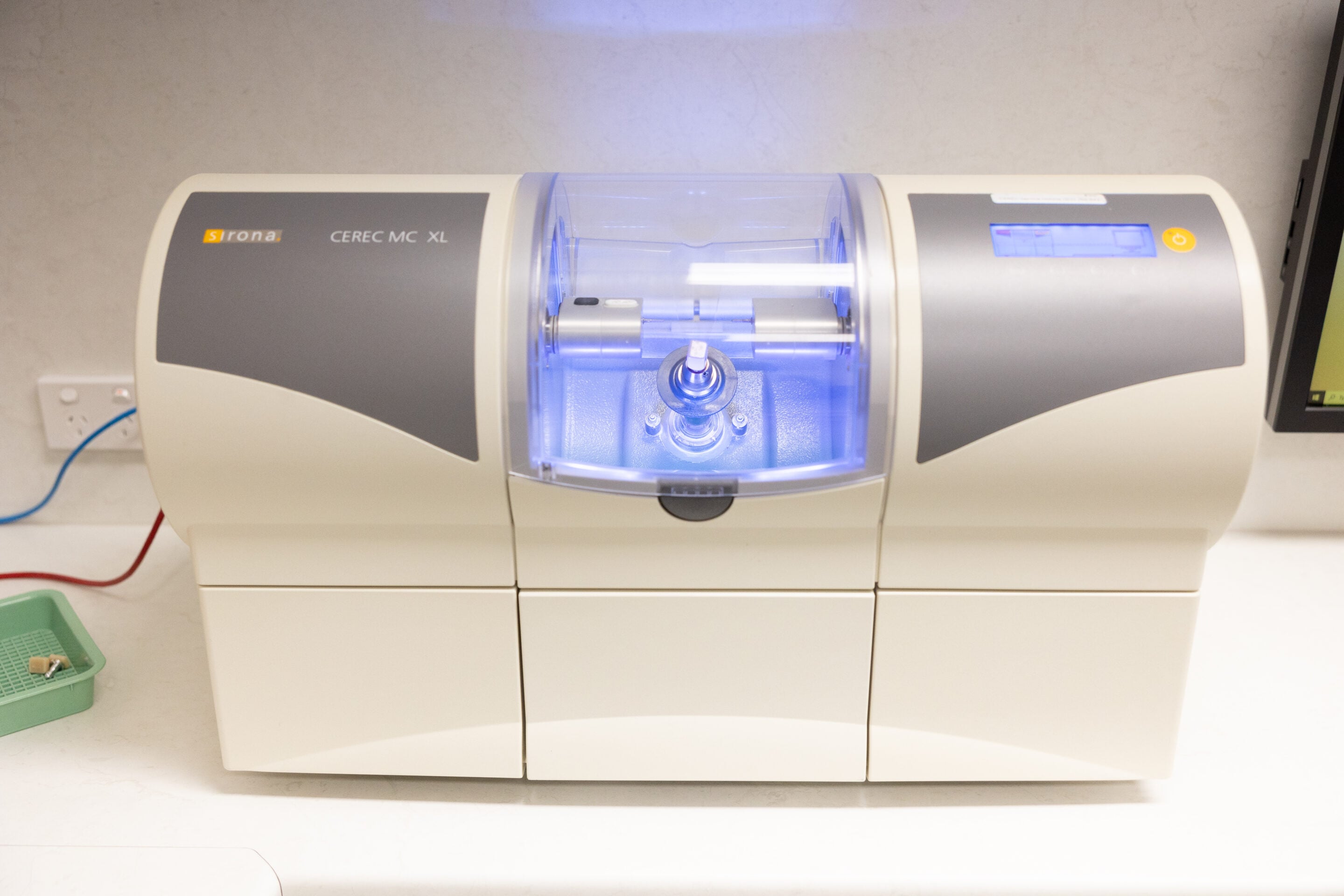
Getting a crown typically takes two appointments, though some practices offer same-day crowns using digital technology.
First visit:
- Your dentist shapes the tooth to fit the crown
- An impression or digital scan is taken
- A temporary crown is placed while your permanent one is made
Second visit:
- The temporary crown comes off
- Your permanent crown is fitted and adjusted
- Once everything feels right, it’s cemented into place
Modern crowns, particularly those made from porcelain or ceramic, look incredibly natural. They’re colour-matched to your other teeth, so no one’s going to spot it unless you point it out.
The Cost Factor
Let’s be honest, cost matters. Fillings are less expensive than crowns, which is why some patients lean towards fillings even when a crown might be more appropriate.
But here’s the thing: choosing a large filling over a crown when you really need a crown can end up costing more in the long run. If the filling fails, you might need the crown anyway, plus you’ve paid for a filling that didn’t last. In worst-case scenarios, the tooth might become so damaged that it needs extraction and replacement with an implant or bridge.
It’s worth having a proper conversation with your dentist about the long-term outlook for both options before making a decision based purely on upfront cost.
How Your Dentist Decides
- Amount of remaining tooth structure: How much healthy tooth is left?
- Location of the tooth: Front teeth experience different forces than back teeth
- Your bite and chewing patterns: Do you grind your teeth? Do you chew on one side more?
- History of the tooth: Has it been treated before? Are there existing fillings?
- Your overall oral health: Are there other issues that might affect the tooth’s longevity?
A thorough examination, often including X-rays, helps paint the full picture. Your dentist should explain why they’re recommending one option over the other so you understand the reasoning.
Making the Right Choice
The dental crown vs large filling question doesn’t have a one-size-fits-all answer. It depends on your specific situation, the condition of your tooth, and what’s going to give you the best long-term outcome.
What matters most is that you have all the information you need to make an informed decision. Don’t be shy about asking questions. A good dentist will take the time to explain your options, show you what they’re seeing, and help you understand the pros and cons of each approach.
If you’re facing this decision and want expert guidance, the team at DENTL in East Melbourne can assess your situation and talk you through what makes sense for your tooth. We’ll look at all the factors, answer your questions, and make sure you’re comfortable with the plan before moving forward.
Need help deciding between a crown and a filling? Call DENTL on (03) 8820 1699 or complete our online enquiry form to book your consultation.
Frequently Asked Questions
How long does a crown last compared to a large filling?
Crowns typically last 15 to 25 years with proper care, while large fillings usually last 5 to 15 years depending on their size and location. Crowns generally have better longevity, especially on teeth that have lost significant structure.
Is getting a crown painful?
No, the procedure is done under local anaesthetic, so you won’t feel pain during the treatment. Some sensitivity afterwards is normal but usually manageable with over-the-counter pain relief. Most people find it less uncomfortable than they expected.
Can a large filling be replaced with a crown later if needed?
Yes, if a large filling fails or the tooth needs more support down the track, a crown can be placed. However, this means paying for both treatments over time, which is worth considering when making your initial decision.

DISCLAIMER:
The content has been made available for informational and educational purposes only. DENTL does not make any representation or warranties with respect to the accuracy, applicability, fitness, or completeness of the content.
The content is not intended to be a substitute for professional personal diagnosis or treatment. Always seek the advice of your dentist or another qualified health provider with any questions you may have regarding a dental or medical condition. Never disregard professional advice or delay seeking it because of something you have read or seen on the Site.