If you’re dealing with gaps between your teeth, you’ve probably wondered whether Invisalign clear aligners could be the solution you’ve been looking for. Many patients who visit our East Melbourne practice are curious about Invisalign gap closure, particularly because the treatment offers the appeal of straightening teeth without traditional metal braces.
The encouraging news is that Invisalign can effectively close many types of gaps between teeth, offering a discreet and comfortable treatment option for adults and teenagers. However, not all gaps are created equal, and understanding when Invisalign works best for gap closure can help you determine whether this treatment aligns with your specific needs and expectations.
Let’s explore how Invisalign addresses gapped teeth and whether it might be the right choice for your smile transformation.
Understanding Different Types of Gaps and Their Causes
Before considering Invisalign gap closure, it’s important to understand that gaps between teeth can have various causes, and the underlying reason often influences the best treatment approach. Some gaps are purely aesthetic concerns, whilst others may indicate underlying bite issues or structural problems that require comprehensive treatment.
The most common type of gap is a diastema – the space between the two front teeth that affects many people. This can be caused by genetics, thumb sucking habits in childhood, gum disease, or a mismatch between tooth size and jaw size. Other gaps throughout the mouth might result from missing teeth, undersized teeth, or habits like tongue thrusting.
According to Australian orthodontic studies, gaps between teeth affect approximately 20% of the population to some degree. The size, location, and underlying cause of these gaps all influence treatment options and expected outcomes.
Common causes of gaps between teeth:
- Genetic factors affecting tooth size or jaw development
- Childhood habits like thumb sucking or tongue thrusting
- Gum disease causing tooth movement
- Missing teeth creating spaces
- Disproportionate tooth-to-jaw size ratios
- Previous orthodontic relapse
Understanding the cause of your gaps helps determine whether Invisalign gap closure is the most appropriate treatment or if additional procedures might be needed.
How Invisalign Works for Gap Closure
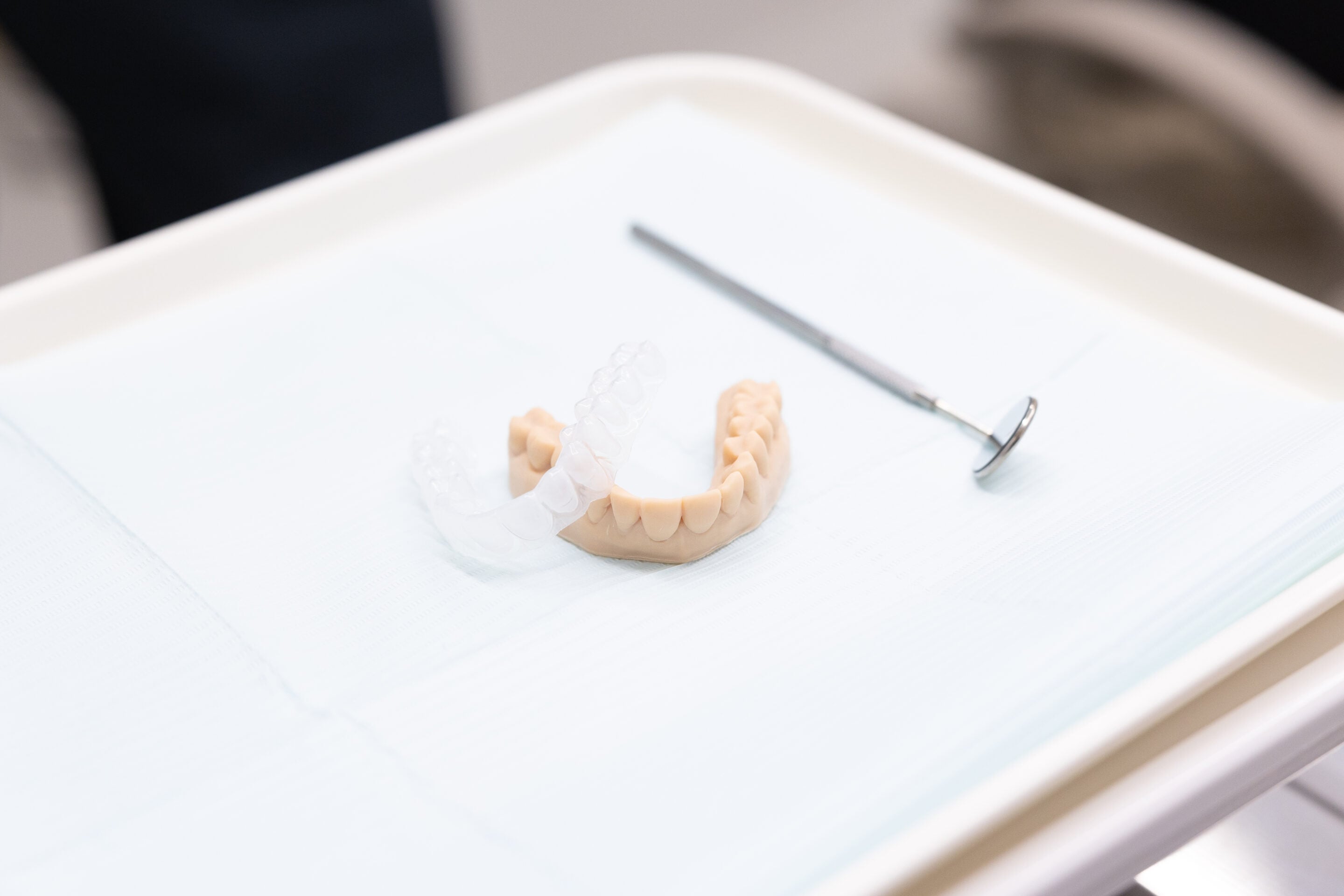
Invisalign gap closure works by applying controlled pressure to gradually move teeth into better positions, effectively closing spaces between them. The clear aligner system uses a series of custom-made trays that are changed approximately every 1-2 weeks, with each tray making small adjustments to tooth position.
For gap closure, the treatment typically involves moving adjacent teeth towards each other to eliminate the space. This process requires careful planning to ensure the final result maintains proper bite alignment and doesn’t create crowding elsewhere in the mouth.
The Invisalign system excels at closing small to moderate gaps, particularly those in the front teeth where aesthetics are most important. The clear aligners apply gentle, consistent pressure that encourages teeth to move in the desired direction whilst maintaining comfort throughout treatment.
Advantages of Invisalign for gap closure:
- Nearly invisible appearance during treatment
- Removable aligners for eating and cleaning
- Comfortable treatment with minimal irritation
- Predictable results with 3D treatment planning
- Shorter treatment times for simple gap closure
- No dietary restrictions during treatment
The treatment planning process involves 3D imaging that allows you to see predicted results before starting treatment, providing confidence in the expected outcome.
Types of Gaps Best Suited for Invisalign Treatment
Invisalign gap closure works particularly well for certain types of gaps whilst being less effective for others. Small to moderate gaps between front teeth, such as central diastemas up to about 6mm, typically respond excellently to Invisalign treatment. These gaps can often be closed relatively quickly, sometimes in as little as 6-12 months.
Gaps caused by slightly undersized teeth or minor spacing issues throughout the mouth also respond well to clear aligner treatment. The system can gradually redistribute spacing to create a more uniform, attractive smile whilst maintaining proper function.
However, very large gaps, gaps caused by missing teeth, or spaces that result from significant jaw size discrepancies may require alternative treatments or combination approaches. In these cases, other options like dental implants, veneers, or traditional orthodontics might be more appropriate.
Best candidates for Invisalign gap closure:
- Small to moderate gaps between front teeth (2-6mm)
- Multiple small gaps throughout the smile
- Gaps caused by minor tooth size discrepancies
- Spacing issues without severe bite problems
- Patients committed to wearing aligners 20-22 hours daily
- Good oral hygiene and healthy gums
Treatment success depends heavily on patient compliance, as aligners must be worn consistently to achieve predicted results.
Alternative Treatment Options for Gap Closure
While Invisalign gap closure is excellent for many situations, it’s not always the best or only option for addressing gapped teeth. Understanding alternative treatments helps ensure you choose the approach that best serves your specific needs and long-term goals.
Dental bonding represents a quick, affordable option for small gaps, particularly between front teeth. This involves applying tooth-coloured resin to close spaces, usually completed in a single appointment. However, bonding may not last as long as orthodontic solutions and can be prone to staining or chipping.
Porcelain veneers offer another approach, particularly when gaps are combined with other aesthetic concerns like tooth shape, colour, or minor alignment issues. Veneers can instantly close gaps whilst addressing multiple cosmetic concerns simultaneously.
For larger gaps or more complex cases, traditional braces might provide more effective treatment. Metal or ceramic braces can handle more challenging movements and may be necessary when significant bite correction is required alongside gap closure.
Alternative gap closure options:
- Dental bonding for small, simple gaps
- Porcelain veneers for comprehensive aesthetic improvement
- Traditional braces for complex orthodontic cases
- Dental implants when gaps result from missing teeth
- Combination treatments addressing multiple concerns
The best approach depends on gap size, location, underlying causes, and your aesthetic preferences.
Treatment Timeline and Maintenance Considerations
Invisalign gap closure timelines vary significantly based on the complexity of your case, but simple gap closure often requires less time than comprehensive orthodontic treatment. Small front tooth gaps might close in 6-12 months, whilst more complex cases involving multiple gaps or bite adjustments could take 12-24 months.
The key to successful treatment is consistent aligner wear – typically 20-22 hours per day, removing them only for eating, drinking, and oral hygiene. Compliance with this schedule directly impacts treatment effectiveness and timeline.
After gap closure, retention is crucial to prevent spaces from reopening. This typically involves wearing retainers, either removable or fixed, to maintain your new tooth positions. The retention phase is particularly important for gap closure, as teeth have a tendency to return to their original positions without proper retention.
Timeline expectations for Invisalign gap closure:
- Initial consultation and treatment planning: 2-4 weeks
- Simple gap closure: 6-12 months
- Complex cases: 12-24 months
- Retention phase: Ongoing, often nightly retainer wear
Regular check-ups during treatment ensure progress is tracking as planned and allow for adjustments if needed.
Making the Right Choice for Your Smile
Determining whether Invisalign is right for you requires careful evaluation of your specific situation, including the size and cause of your gaps, your lifestyle preferences, and your treatment goals. A comprehensive consultation including examination and possibly 3D imaging helps determine the best approach.
Consider your commitment level to wearing aligners consistently, as treatment success depends heavily on compliance. Also think about your timeline preferences – some patients prefer the quick results of cosmetic solutions like veneers, whilst others appreciate the comprehensive benefits of orthodontic treatment.
Your oral health status also influences treatment options. Active gum disease or dental decay should be addressed before starting any aesthetic treatment, and overall oral health affects long-term treatment success.
At DENTL, we specialise in comprehensive aesthetic dentistry solutions, including advanced clear aligner treatments for gap closure. Our experienced team uses the latest Invisalign technology and treatment planning software to create customised treatment plans that address your specific concerns whilst maintaining optimal oral health.
We believe in educating our patients about all available options, helping you understand the benefits and limitations of each approach. Whether Invisalign gap closure, cosmetic bonding, veneers, or combination treatments best serve your needs, we’re committed to delivering exceptional results that enhance both your smile’s appearance and function.
Don’t let gaps between your teeth continue to affect your confidence. Contact our friendly team on (03) 8820 1699 to schedule your comprehensive consultation and learn more about Invisalign gap closure options, or complete our online enquiry form to explore how we can help you achieve the smile you’ve always wanted.
Frequently Asked Questions
How long does it take to close gaps with Invisalign?
Timeline varies based on gap size and complexity. Small front tooth gaps often close in 6-12 months, whilst larger or multiple gaps may require 12-24 months. Your specific timeline will be determined during treatment planning with 3D imaging technology.
Will gaps reopen after Invisalign treatment?
Gaps can reopen without proper retention, which is why wearing retainers as directed is crucial. Most patients need to wear retainers nightly long-term to maintain their results, particularly for gap closure cases where teeth have a tendency to return to original positions.
Can Invisalign close large gaps between front teeth?
Invisalign works best for small to moderate gaps (2-6mm). Very large gaps may require alternative treatments like dental implants if caused by missing teeth, or traditional braces for more complex orthodontic movements. A consultation can determine the best approach for your specific situation.

DISCLAIMER:
The content has been made available for informational and educational purposes only. DENTL does not make any representation or warranties with respect to the accuracy, applicability, fitness, or completeness of the content.
The content is not intended to be a substitute for professional personal diagnosis or treatment. Always seek the advice of your dentist or another qualified health provider with any questions you may have regarding a dental or medical condition. Never disregard professional advice or delay seeking it because of something you have read or seen on the Site.