The short answer? It depends on the type and cause of the staining, but professional whitening treatments are significantly more effective than anything you can try at home. Let’s explore what’s really possible when it comes to deep stain removal dental treatments.
Understanding Deep Intrinsic Stains: What You're Really Dealing With
According to the Australian Dental Association, intrinsic stains are more challenging to treat because they penetrate deeper into the tooth’s dentin layer. However, this doesn’t mean they’re impossible to address with the right approach.
The key factors that determine treatment success include:
- The depth of the staining
- The underlying cause
- How long the stains have been present
- The overall health of your teeth
How Professional Teeth Whitening Tackles Deep Stains
At DENTL, we use advanced whitening systems that can be customised based on your specific staining patterns. The process works by breaking down the molecular bonds of stain particles, essentially fragmenting them into smaller, less visible pieces.
In-chair whitening treatments offer several advantages:
- Controlled application by experienced professionals
- Higher concentration active ingredients
- Custom treatment plans based on your staining type
- Immediate results that can be monitored and adjusted
- Professional aftercare guidance
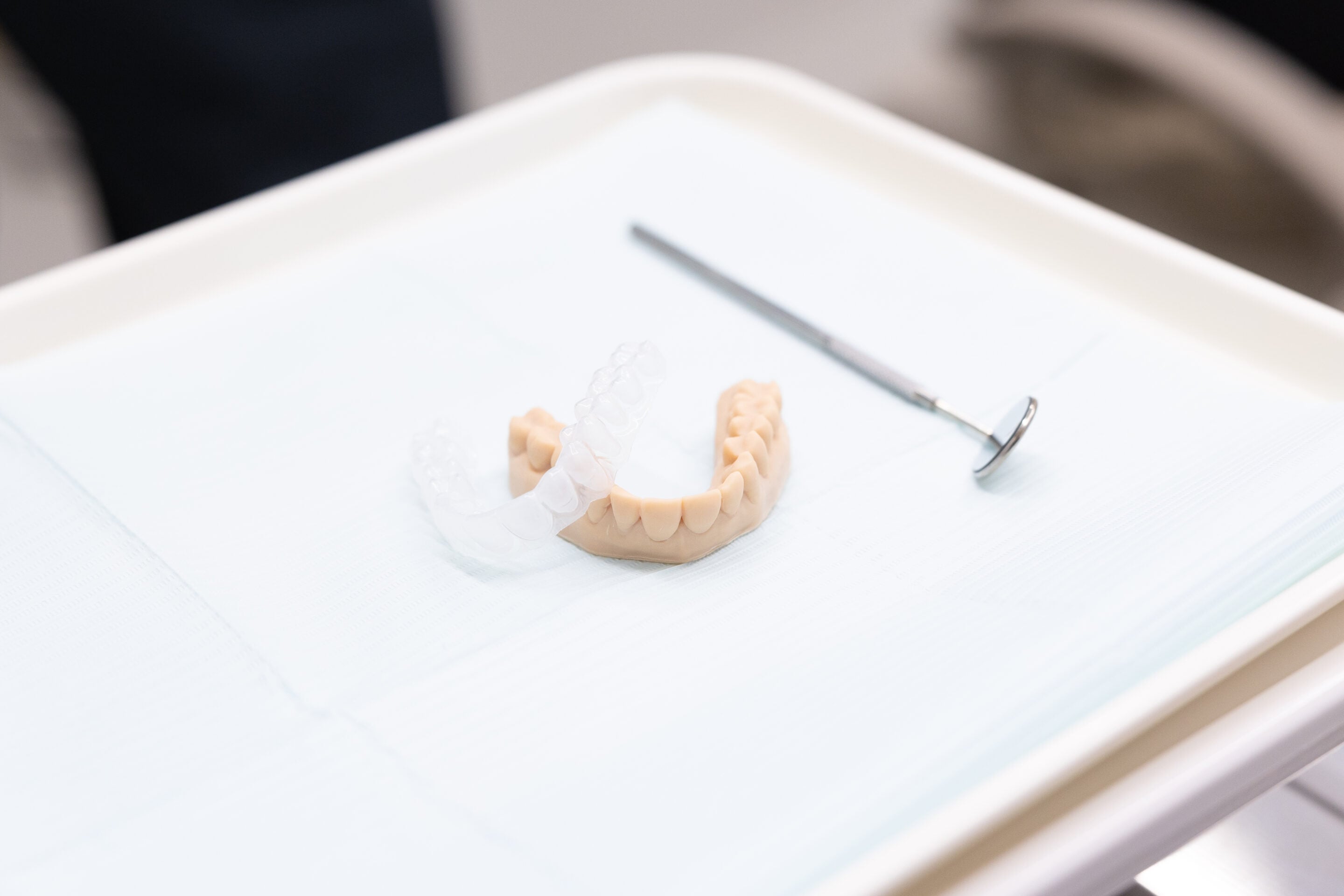
The treatment typically involves multiple sessions, with each appointment building on the previous results. For deeper intrinsic stains, we might recommend a combination approach using both in-chair treatments and custom take-home trays for ongoing maintenance.
Realistic Expectations: What Deep Stain Removal Can Achieve
Stains that respond well to professional whitening:
- Age-related yellowing
- Surface stains that have penetrated deeper
- Some medication-related discolouration
- Mild fluorosis staining
More challenging stains may require alternative approaches:
- Severe tetracycline staining
- Significant structural damage
- Very dark intrinsic stains present from birth
For these more resistant cases, we might recommend complementary treatments such as dental veneers or bonding to achieve the aesthetic results you’re looking for. The beauty of a comprehensive consultation is that we can assess your specific situation and recommend the most effective treatment pathway.
Alternative and Complementary Treatments for Stubborn Stains
Dental bonding offers another solution for localised deep stains, particularly those affecting just one or two teeth. This treatment involves applying tooth-coloured resin directly to the affected areas, effectively covering the stained portions.
For patients considering a complete smile makeover, combining professional whitening with other treatments often delivers the most comprehensive results. We might start with whitening to address overall tooth colour, then use veneers or bonding to perfect specific areas that didn’t respond as well to the whitening process.
Maintaining Your Results and Preventing Future Deep Stains
Key maintenance strategies include:
- Regular dental check-ups and professional cleans
- Using whitening toothpaste designed for sensitive teeth
- Avoiding or limiting stain-causing substances
- Proper brushing and flossing techniques
- Custom whitening trays for periodic touch-ups
According to dental health statistics, patients who follow a structured maintenance routine can extend their whitening results by 2-3 years compared to those who don’t implement any aftercare strategies.
It’s also worth noting that some intrinsic stains can be prevented entirely. If you’re taking medications known to cause tooth discolouration, discussing alternatives with your doctor might be worthwhile. Similarly, ensuring children receive appropriate fluoride levels can prevent fluorosis-related staining.
Your Next Steps Toward a Brighter Smile
The most important step is getting a proper assessment of your specific staining situation. What works brilliantly for one type of intrinsic stain might be less effective for another, which is why professional evaluation is so crucial.
At DENTL, we specialise in creating customised treatment plans that address your unique needs and aesthetic goals. Our East Melbourne practice combines advanced whitening technology with a thorough understanding of how different staining types respond to various treatments.
Ready to discover what’s possible for your smile? Contact our friendly team on (03) 8820 1699 to book your comprehensive consultation, or complete our online enquiry form to learn more about our deep stain removal dental treatments. We’re here to help you achieve the bright, confident smile you deserve.
Frequently Asked Questions
Deep intrinsic stains typically require multiple treatment sessions over several weeks. While you might notice some improvement after the first session, optimal results for deep stain removal usually become apparent after 2-4 professional treatments, depending on the severity and type of staining.
Is professional teeth whitening safe for teeth with deep stains?
Yes, when performed by qualified dental professionals, whitening treatments are safe even for teeth with intrinsic stains. We conduct thorough assessments before treatment to ensure your teeth and gums are healthy enough for the procedure, and we monitor your progress throughout the treatment process.
Will deep stains come back after professional whitening treatment?
The longevity of your results depends on the original cause of the staining and your lifestyle habits. Age-related and some medication-related stains may gradually return over 1-3 years, but following a proper maintenance routine can significantly extend your results. Some types of intrinsic stains, once lightened, remain stable for much longer periods.

DISCLAIMER:
The content has been made available for informational and educational purposes only. DENTL does not make any representation or warranties with respect to the accuracy, applicability, fitness, or completeness of the content.
The content is not intended to be a substitute for professional personal diagnosis or treatment. Always seek the advice of your dentist or another qualified health provider with any questions you may have regarding a dental or medical condition. Never disregard professional advice or delay seeking it because of something you have read or seen on the Site.