Is Sleep Dentistry Safe for Your Child? The Age Factor Explained
If your child needs extensive dental work or is particularly anxious about the dentist, you’ve probably heard about sleep dentistry as an option. It sounds appealing—they’d be relaxed or asleep during treatment, no tears, no trauma, job done.
But then the questions start. Is it actually safe? At what age can children have sedation? What are the risks? These are completely reasonable concerns, and you’re right to ask them.
Let’s look at what sleep dentistry for children actually involves, when it might be appropriate, and what safety considerations matter.
What Does Sleep Dentistry Actually Mean?
Sleep dentistry is a bit of a misleading term because it covers several different levels of sedation, and not all of them involve being asleep.
The main types are:
- Nitrous oxide (happy gas): This is mild sedation that helps children relax while staying awake and responsive. It wears off quickly after treatment
- Oral sedation: Medication given by mouth that creates a deeper level of relaxation. Children might be drowsy but can still respond
- IV sedation: Delivered through a drip, this creates deeper sedation. Some children may fall asleep, though they can usually be woken
- General anaesthetic: This is actual sleep. The child is completely unconscious and requires specialised monitoring
Each level has different safety protocols, age considerations, and appropriate uses. What works for one child or situation might not be suitable for another.
When Sleep Dentistry Might Be Considered for Children
Not every child needs sedation for dental work. Most children manage routine check-ups and simple fillings without it. But there are situations where sedation can make treatment safer and less distressing.
Extensive Treatment Needed
If your child needs multiple procedures—several fillings, extractions, or other significant work—doing it all in one session under sedation might be kinder than multiple appointments with local anaesthetic alone.
Severe Anxiety or Dental Phobia
Some children have genuine dental phobia that goes beyond normal nervousness. Forcing treatment on a terrified child can be traumatic and make future dental visits even harder. Sedation can help break that cycle.
Very Young Age
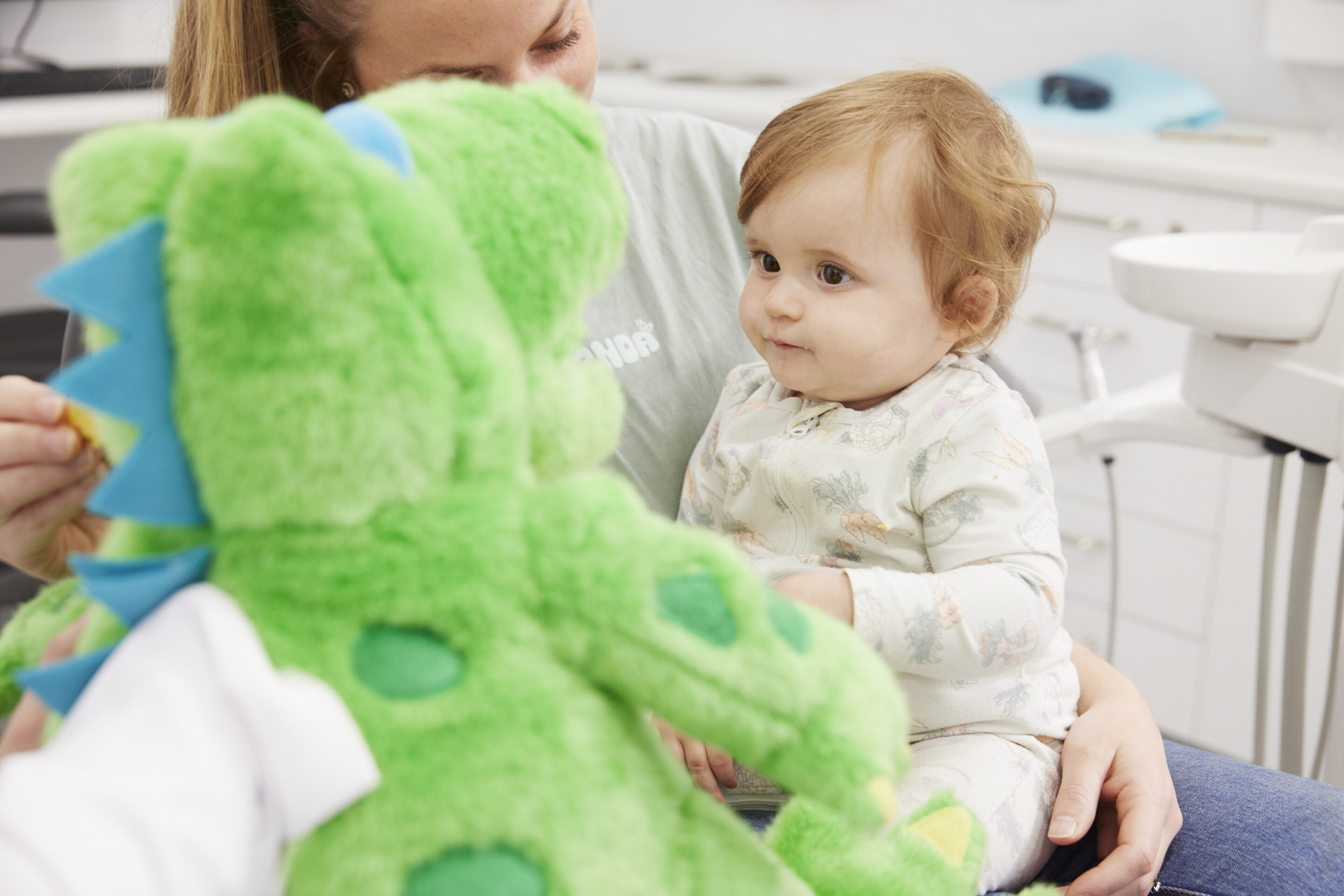
Toddlers and very young children often can’t cooperate with dental treatment, no matter how patient everyone is. They don’t understand what’s happening and can’t stay still. For necessary treatment, sedation might be the only practical option.
Special Needs
Children with certain developmental, cognitive, or physical conditions might not be able to tolerate conventional dental treatment. Sedation allows necessary care to happen safely.
Strong Gag Reflex or Difficulty with Local Anaesthetic
Some children have physical responses that make treatment difficult or impossible without sedation, even when they’re willing to cooperate.
Age Considerations for Different Types of Sedation
According to guidance from the Australian and New Zealand College of Anaesthetists, the type of sedation appropriate for children depends partly on their age and development.
Nitrous Oxide (Happy Gas)
This is the most commonly used sedation for children and can be suitable from around age three, provided the child can understand instructions and breathe through a nose mask. Some younger children manage it, but it depends on the individual child’s ability to cooperate.
It’s considered very safe with minimal side effects. The gas wears off within minutes of the mask being removed.
Oral Sedation
This can be used for children who need more than nitrous oxide but don’t require general anaesthetic. Age suitability depends on the specific medication, dosage, and the child’s size and health.
It requires careful monitoring throughout treatment and for a period afterwards until the effects wear off fully.
IV Sedation and General Anaesthetic
These deeper forms of sedation are typically reserved for more complex situations or when other options aren’t appropriate. They require specialist anaesthetists and specific safety protocols.
General anaesthetic for dental treatment is usually done in a hospital or in-house with appropriate monitoring equipment and trained staff.
Safety Protocols That Matter
Key safety elements include:
- Thorough health assessment: Your child’s medical history, current health, medications, and any conditions that might affect sedation need to be reviewed
- Appropriate fasting: Depending on the type of sedation, children need to fast beforehand to reduce the risk of complications
- Proper monitoring: Throughout treatment, vital signs like heart rate, oxygen levels, and breathing are continuously monitored
- Qualified practitioners: The dentist and any anaesthetist must have appropriate qualifications and experience in paediatric sedation
- Emergency equipment: Facilities must have equipment to manage any complications that might arise
- Recovery monitoring: Children are observed until the sedation has worn off sufficiently and they’re safe to go home
You should be given clear instructions about preparation, what to expect during treatment, and how to care for your child afterwards.
Questions to Ask Your Dentist
If sleep dentistry is being recommended for your child, you’re entitled to understand exactly what’s being proposed and why. Here are important questions to ask:
- What type of sedation are you recommending and why?
- What qualifications and experience do you have with paediatric sedation?
- Where will the treatment be performed?
- What monitoring will be in place during treatment?
- What are the specific risks for my child?
- What alternatives are there?
- What happens if something goes wrong?
- What will my child need to do before the appointment?
- How long will recovery take?
A dentist experienced in paediatric sedation should be comfortable answering all these questions clearly.
Alternatives to Consider
- Gradual desensitisation: Building up to treatment through short, positive visits
- Behaviour management techniques: Child-friendly approaches that help anxious children cope
- Local anaesthetic alone: For cooperative children who just need pain relief
- Breaking treatment into smaller appointments: Spreading work over multiple visits instead of doing everything at once
The right approach depends on your individual child and situation. Some children do genuinely need sedation, while others might manage with different strategies.
Making an Informed Decision
Age matters, but it’s not the only factor. Your child’s health, the complexity of treatment needed, their ability to cope with dental work, and the level of sedation required all play a role in determining safety and appropriateness.
The most important thing is working with a dental team that has proper training in paediatric sedation, follows strict safety protocols, and takes time to explain everything clearly so you can make an informed decision.
If you’re considering sleep dentistry for your child or want to discuss whether it’s necessary for their situation, the team at DENTL in East Melbourne can assess your child’s needs and explain the options available. We’ll help you understand what’s appropriate and answer any concerns you have.
Want to discuss sedation options for your child? Call DENTL on (03) 8820 1699 or complete our online enquiry form to arrange a consultation.
Frequently Asked Questions
It depends on the type of sedation. Nitrous oxide can be suitable from around age three if the child can cooperate with wearing the mask. Deeper sedation and general anaesthetic can be used at any age when necessary, but require specialist assessment and appropriate safety measures.
How long does it take for sedation to wear off?
Nitrous oxide wears off within minutes. Oral sedation can take several hours. IV sedation and general anaesthetic require longer recovery and monitoring. Your dentist will give you specific guidance based on what’s used.
Are there risks with sleep dentistry for children?
All sedation carries some risk, though serious complications are rare when proper protocols are followed. Risks vary depending on the type and depth of sedation, your child’s health, and other factors. Your dentist should discuss specific risks relevant to your child’s situation.

DISCLAIMER:
The content has been made available for informational and educational purposes only. DENTL does not make any representation or warranties with respect to the accuracy, applicability, fitness, or completeness of the content.
The content is not intended to be a substitute for professional personal diagnosis or treatment. Always seek the advice of your dentist or another qualified health provider with any questions you may have regarding a dental or medical condition. Never disregard professional advice or delay seeking it because of something you have read or seen on the Site.